
In a global marketplace that increasingly values sustainability, the way you package your products is not just a logistical decision—it’s a strategic investment in your brand’s future. Consumers are demanding eco-friendly practices and transparency. In fact, a recent global survey shows that over 60% of Western consumers are willing to pay a premium for products that demonstrate strong environmental commitments (Nielsen, 2020). By adopting sustainable packaging, you not only reduce your environmental footprint but also build trust and loyalty among customers.
The Circular Economy: Rethinking Packaging Design
Design for Reuse and Recyclability
Traditional packaging, following a “take, make, dispose” model, is giving way to a new era of circular economy principles. Designing packaging for reuse and easy recycling ensures that it fits within a sustainable lifecycle—even when regional recycling infrastructures differ. In the European Union, around 76% of packaging is recycled (Eurostat, 2022); however, many regions still lag behind. The key is to create packaging that remains effective and eco-friendly in any environment.
What It Means for Your Business:
Cost Savings and Efficiency: Optimized designs reduce material waste by up to 20%, lowering costs while enhancing efficiency.
- Stronger Brand Reputation: Clear sustainability practices attract environmentally conscious customers, driving loyalty.
- Compliance Ready: With increasingly strict environmental regulations, future-proof packaging helps you stay ahead of new standards.
By using sustainable materials, you can produce packaging that is not only robust and attractive but also adaptable to a range of recycling capabilities—a crucial advantage for any forward-thinking business.
Leveraging Green Technology for Operational Excellence
Energy-Efficient Production
Innovations in green technology, such as solar-powered facilities and smart energy management systems, are revolutionizing production processes. In Malaysia, for instance, green tech can reduce manufacturing energy costs by up to 30% (World Economic Forum, 2021). This means that sustainable practices do more than just protect the environment—they also contribute directly to your bottom line.
Digital Innovations:
- AI-Driven Production: Machine learning enables precise adjustments to production processes, reaching material utilization rates of 95% and significantly reducing waste.
- Digital Printing: Compared to traditional methods, digital printing not only cuts ink waste by 60% but also offers greater customization flexibility for limited batch runs. The latest white-ink digital printing technology on brown paper could even replace the costlier packaging solutions for companies that aim to save their packaging budget but do not compromise the quality of graphic printing.
For businesses targeting Western markets where consumers expect both innovation and sustainability, these technologies translate into packaging that is both cutting-edge and responsibly produced.
Building a Resilient Supply Chain
Local Sourcing and Ethical Practices
A resilient supply chain is built on transparency, ethical sourcing, and local partnerships. Sourcing up to 80% of raw materials locally can dramatically reduce carbon emissions and transportation costs. This approach also supports regional economies and creates a more sustainable supply chain network.
Key Advantages:
- Enhanced Reliability: Local sourcing minimizes the risk of international supply disruptions.
- Ethical Assurance: Partnering with FSC®-certified (FSC-C203504) suppliers ensures that every step in the supply chain meets rigorous ethical and sustainability standards.
- Climate Resilience: Adopting logistics strategies that account for extreme weather conditions helps maintain steady operations—even during unexpected disruptions.
For Western businesses, emphasizing a resilient supply chain reinforced with certified sustainability practices can be a compelling part of your brand story. However, packaging cost is another concern for some of the packaging companies. With the cost-effective, optimized manufacturing process, YF Packaging Sdn. Bhd., an FSC®-certified carton manufacturer, adopted the latest Single-Pass Digital Printing Technology to ensure the turnaround time is speedy, in addition to the experienced global shipping process, it enhances non-disruptions on the supply chain.
Driving Material Innovation Through Research & Development
Breakthroughs in Packaging Materials
Investing in R&D for packaging materials is not just about reducing costs—it’s also about setting new standards for performance and aesthetics. Forward-thinking companies are developing materials that offer significant environmental benefits without compromising quality.
Innovative Trends Include:
- Water-Resistant, Eco-Friendly Coatings: These coatings, made from plant-based polymers, replace traditional plastics to ensure packaging remains fully recyclable.
- Alternative Fibers: Research into bamboo, pineapple leaf fibers, and even mycelium-based materials offers new avenues for creating durable, sustainable packaging.
- Graphene-Enhanced Liners: Emerging innovations promise enhanced moisture resistance for packaging needed in export markets or challenging climate.
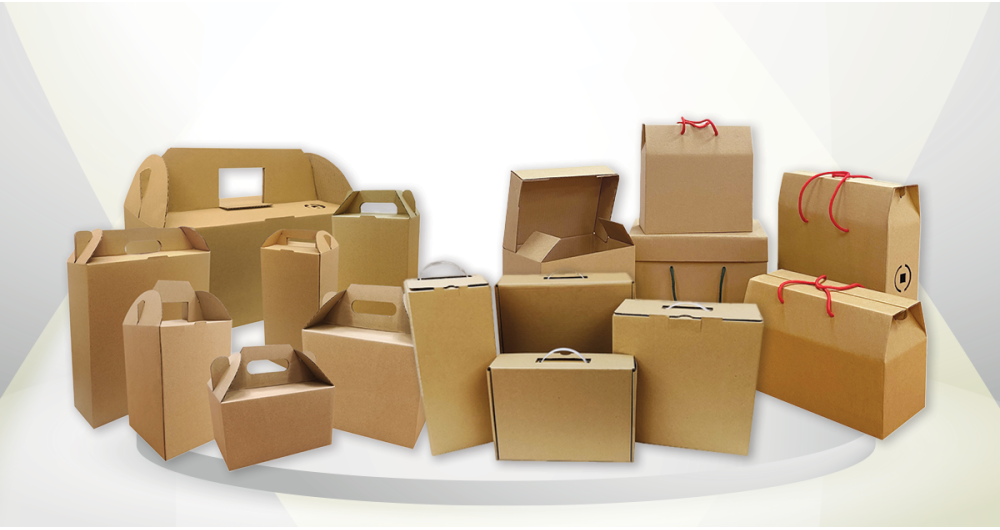
- Customized Corrugated Box Structure: By using recycled materials, a team of packaging experts can design different structures inclusive of saving packaging materials without extra wasted spaces within the packaging, without incurring printing mold costs, enhanced stacking strength and shock absorption during transit, and eye-catching graphic printing for brand exposure and differentiation.
Such innovations provide a competitive edge by improving shelf life for products and enabling cost-effective, eco-friendly production—a winning strategy for businesses seeking to offer future-proof, sustainable packaging.
Transparent and Engaging Branding
Building Trust with Digital Traceability
Modern consumers, especially in Western markets, crave transparency. Integrating digital traceability—using QR codes linked to real-time environmental data—enables your customers to see exactly how your packaging meets sustainability standards. This level of transparency not only combats greenwashing but also instills genuine confidence in your brand.
Creative Branding Opportunities:
- Storytelling on Packaging: Use minimalist designs paired with eco-labels like “100% Recyclable” or “Made with 70% Post-Consumer Waste” to visually communicate your commitment to sustainability.
- Enhanced Unboxing Experience: Customized, sustainable packaging can transform the mundane act of unboxing into a memorable, brand-strengthening experience through social media platforms for increased exposure.
- Increased Market Appeal: Western consumers are often drawn to brands that align with their values. Transparent, sustainable packaging tells a compelling story that resonates emotionally and ethically.
Cultivating a Culture of Sustainability
Internal Engagement and Innovation
True sustainability begins at home. Companies that foster an internal culture of sustainability—through green training programs and employee-led initiatives—report significantly higher rates of innovation and staff retention (Gallup, 2022).
The Benefits:
- Empowered Employees: Engaged teams contribute practical ideas, such as reusing packaging scraps or initiating waste reduction projects.
- Innovative Environment: When employees see that their ideas are valued, they are more likely to drive meaningful, company-wide changes.
- Stronger Operational Framework: A cohesive culture of sustainability aligns your internal operations with your external brand messaging, creating a unified, compelling story for consumers.
Future-Proofing Your Business for Long-Term Success
Market Trends and Consumer Preferences
The corrugated packaging market is experiencing significant growth, with projections in Malaysia alone suggesting a 4% compound annual growth rate (CAGR) through 2031. Globally, the biodegradable packaging market is expected to expand at a 14% CAGR until 2030 (Grand View Research, 2023). These trends highlight the shifting consumer demand towards environmentally conscious products.
What This Means for Your Business:
- Competitive Advantage: Companies that move early towards sustainable packaging are more likely to capture market share and achieve long-term growth.
- Cost-Effective Innovation: Investments in sustainable packaging result in long-term savings—both in material costs and in mitigating regulatory and environmental risks.
- Enhanced Brand Loyalty: As Western consumers become more discerning, brands that visibly integrate sustainability into their operational and marketing strategies build lasting customer relationships.
By aligning with a seasoned partner like YF Packaging Malaysia, your business gains access to comprehensive corrugated packaging solutions designed to meet modern sustainability challenges and capitalize on emerging market opportunities.
Conclusion: A Sustainable Future Begins with Packaging
Sustainable packaging isn’t just an environmental measure—it’s a dynamic business strategy that can significantly enhance your brand’s market position and financial performance. By embracing circular economy principles, leveraging advanced green technologies, building a resilient and ethical supply chain, and investing in breakthrough material innovations, you set the stage for a future-proof business.
In an age where transparency and sustainability are paramount, forward-thinking companies are leading the way by showcasing their commitment through every facet of their operations. Whether you are a small sustainable packaging SME or a large multinational, the transformative power of eco-friendly boxes and innovative corrugated packaging solutions offers a clear path to reducing costs, building consumer trust, and staying ahead of industry trends.
For businesses aiming to thrive in a rapidly evolving global market, now is the time to rethink packaging. Let YF Packaging Malaysia guide your journey toward sustainable packaging that not only meets contemporary challenges but also prepares your business for the opportunities of tomorrow.
References
ASEAN Disaster Risk Management Initiative. (2022). Economic losses from climate disasters in Southeast Asia. https://asean.org
Eurostat. (2022). Recycling statistics. https://ec.europa.eu/eurostat
Gallup. (2022). Employee retention and sustainability culture. https://gallup.com
Grand View Research. (2023). Biodegradable packaging market analysis. https://grandviewresearch.com
Malaysia Energy Commission. (2022). Energy consumption in manufacturing. https://www.st.gov.my
Malaysian Green Technology Corporation. (2023). ROI on green technology for SMEs. https://greentechmalaysia.my
National Solid Waste Management Department. (2023). Malaysia recycling rate report. https://jpspn.kpkt.gov.my
Nielsen. (2020). Global consumer sustainability survey. https://nielsen.com
World Economic Forum. (2021). Green technology and energy cost reduction. https://weforum.org