Over the past few decades, the packaging industry has transformed rapidly to serve a wide range of industries, including retail, online business, electronics, aerosol, food & beverage, etc. The worldwide packaging scene is characterised by alarming statistics: over 300 million tons of plastic trash are generated each year, with packaging accounting for the great majority of this pollution. Just under twenty percent of all plastic is recycled globally, even though items like corrugated boxes are highly recyclable—more than 80 billion are utilised each year.
Due to growing demand from consumers and stricter regulations, online retail has led to a substantial rise in the requirement for packaging, which has raised the ecological cost and highlighted the need for an improved environmentally conscious approach. To reduce environmental effects and make packaging a more sustainable organisation, the sustainability movement is influencing creative developments in the packaging sector.
Various industrial businesses may select the sort of packaging that best suits their unique requirements thanks to the wide variety of options available, including corrugated boxes, glass, metal, plastic, biodegradable plastic, edible, and plant-based packaging. We strive to unravel the packaging options in our comparative research, paying special attention to the noteworthy benefits of corrugated packaging.
Glass Packaging
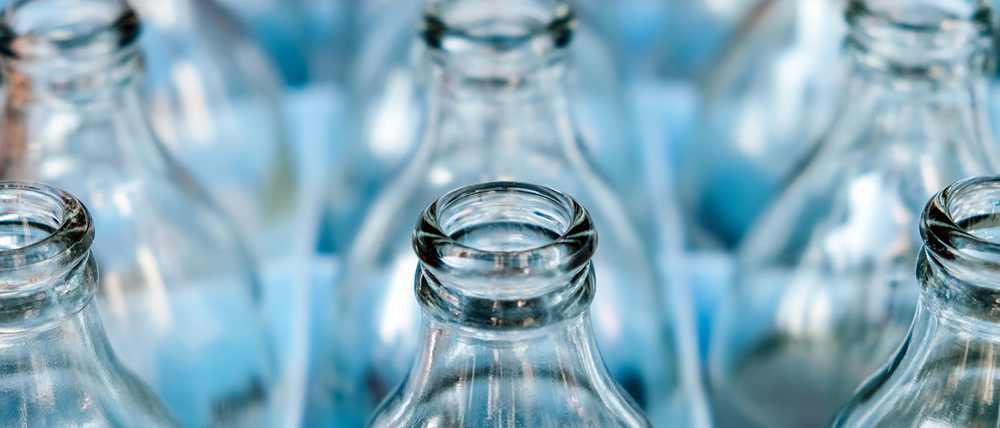
Glass does not absorb or interact with the materials it contains since it is impermeable and impenetrable. This makes it perfect for food and beverage packaging since it guarantees the best possible retention of taste, aroma, and nutritional content. Glass is free of dangerous chemicals like BPA and is chemically resistant, in contrast to other plastics. As a result, it is a secure choice for packaging food, drinks, and delicate items like medications and beauty products.
Glass weighs a lot more than the majority of other packaging materials. From distribution delivery, the extra mass raises the cost of transportation. These days, cost-effectiveness and environmentally friendly practices are crucial, and it is impossible to ignore the carbon footprint derived from moving bulky glass containers.
The fragile nature of glass packing is among its most obvious challenges. Glass can shatter while being handled, transported, and even on the shelves of stores. This puts handlers’ and customers’ safety in danger. For companies, this means paying more for protection and possibly losing clients.
Given that raw materials must be melted at elevated temperatures, the formation of glass packaging demands a lot of energy. Although glass can be recycled, not all firms are willing to afford the energy-intensive recycling procedure. Furthermore, glass recycling is not as common as it ought to be, which raises environmental issues. Due to its stiffness, glass packaging frequently has some challenges for innovative design. By incorporating different new mold-cutting, it is pricier for some of the brands to afford. As a result, it is costly to be eye-catching in the presence of the products on the shelf.
Metal Packaging
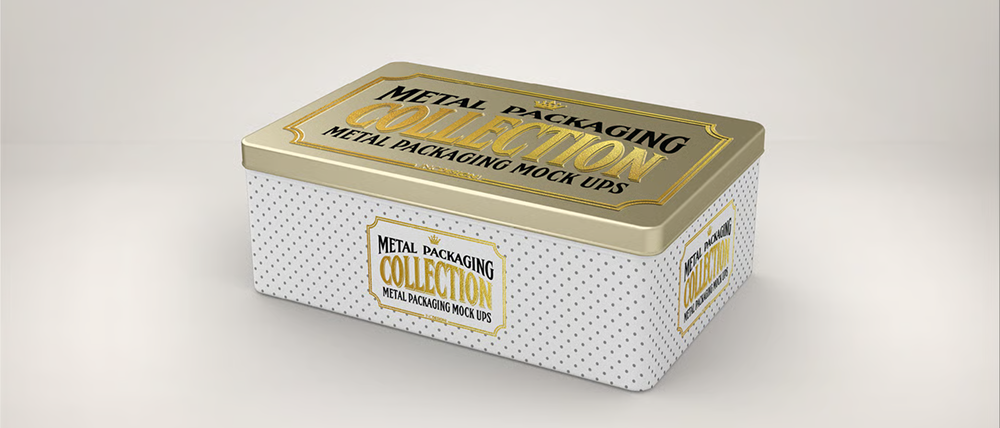
Certain items must be handled out of exposure to sunlight, and they must be stored in dark packaging. The packaging, whether made of steel or aluminum, is impenetrable and prevents sunlight from reaching the contents. Metal is also robust and capable of preventing damage to the interior components. As time goes by, some materials used in packaging degrade. For instance, paper will deteriorate quickly and is susceptible to humidity damage. Over time, plastics decompose and turn gooey. Paper and plastic are not practically as sturdy as steel and aluminum. Metal is designed to be durable and reusable.
Steel’s use in metal packaging is impacted by challenges with corrosion and, in certain situations, the quality of the products, particularly food packaging made of steel, is in doubt. Owing to corrosion issues, beverages or food packaged in aluminum might occasionally put producers and consumers in danger of financial losses and health risks. The weight of metal packaging could make delivery pricey. Furthermore, the energy-intensive recycling procedure limits its environmental merits even though it is recyclable.
Plastic Packaging
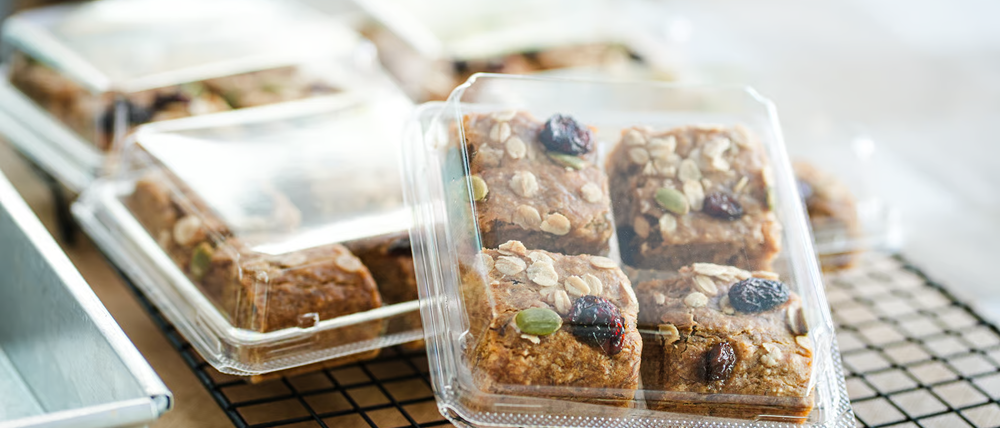
Durable plastics consume less energy during the production process than metals, and it is due to they are lightweight. With this winning combination of being lightweight and strong, plastic packaging protects your product without adding bulk. It also saves you in manufacturing and shipping costs.
Since plastic packaging is lasting in the environment and difficult to break down it presents significant ecological issues. Even though some plastics can be recycled, most wind up in landfills or the sea, where they can take decades to break down and release hazardous chemicals. Additionally, a lot of fossil fuels are used to create plastic, which increases the greenhouse effect and exacerbates climate change due to gas emissions.
Biodegradable Plastic Packaging
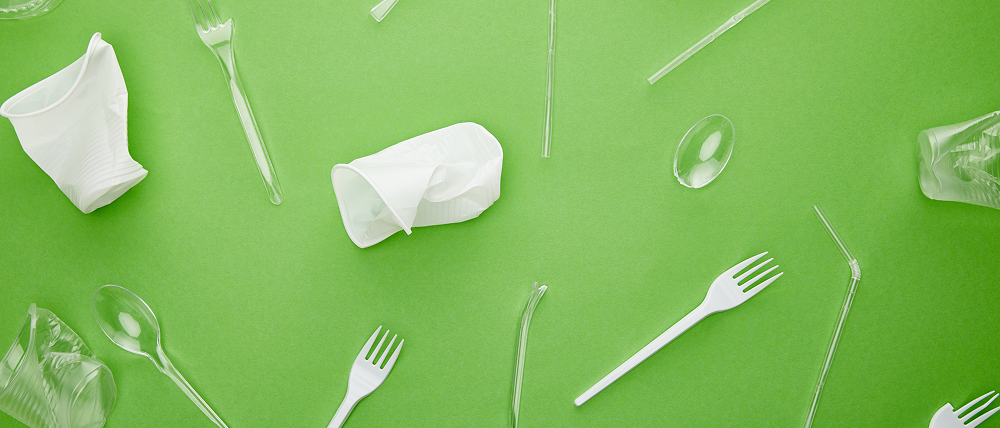
Although biodegradable plastics offer a sustainable alternative to traditional plastics, not all biodegradable plastics can decompose entirely in the presence of nature. Rather, they might decompose more easily than conventional plastics to become microplastics, which would further harm the soil ecosystem. Biodegradable plastic is also pricier than traditional plastics. Hence, some businesses may opt for other environmentally friendly yet cost-effective alternatives to achieve their ethical responsibilities.
Edible Packaging
Numerous types of edible packaging are water-soluble, which means they easily dissolve and decompose in water and have a shorter lifespan than other packaging options. Given that edible packaging is known to dissolve in water, it is challenging for it to maintain its storage in humid environments. Since edible packaging gets more susceptible to temperature changes, it requires more caution when being shipped, which can be pricey from a commercial perspective. To remain safe from impurities, many food packing items still require outside covers.
This is the main reason for concern. Another important consideration when it comes to edible food packaging is allergic reactions. For those with food allergies, using edible food packaging may also be a drawback.
Plant-Based Packaging
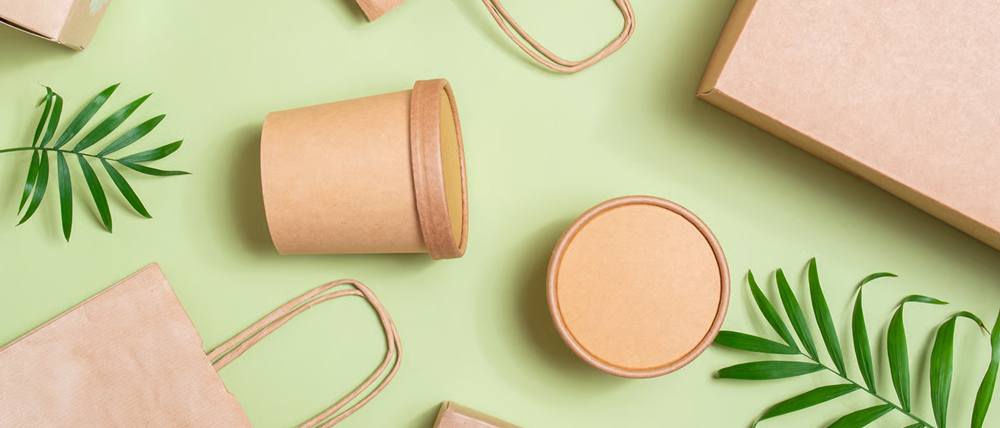
Source: Mann Bamboo Fiber Ware Co., Ltd.
Mycelium, pulp, bagasse, starch-based, and bioplastics are the primary components of plant-based packaging. Inadequate ability to recycle specific plant-based products. Contamination issues when conventional and plant-based polymers are in combination. Plant-based polymers may initially cost more to produce than conventional plastics. Difficulties to economic viability, particularly for small businesses implementing plant-based substitutes. Insufficient industrial infrastructure for better plant-based material handling composting centers. In certain industries, durability issues affect how well plant-based materials work. Unstable performance for plant-based packaging when competing with plastic packaging in harsh environments.
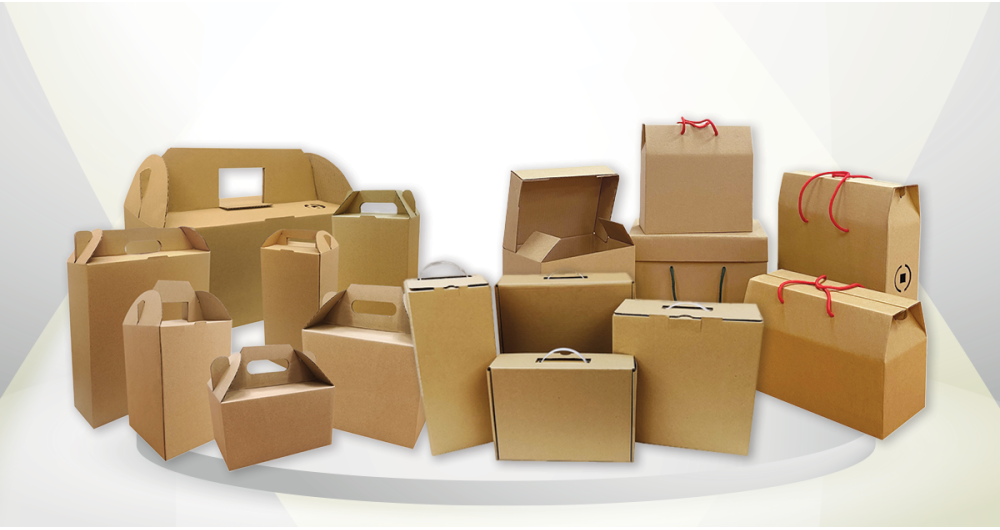
Corrugated Box Packaging
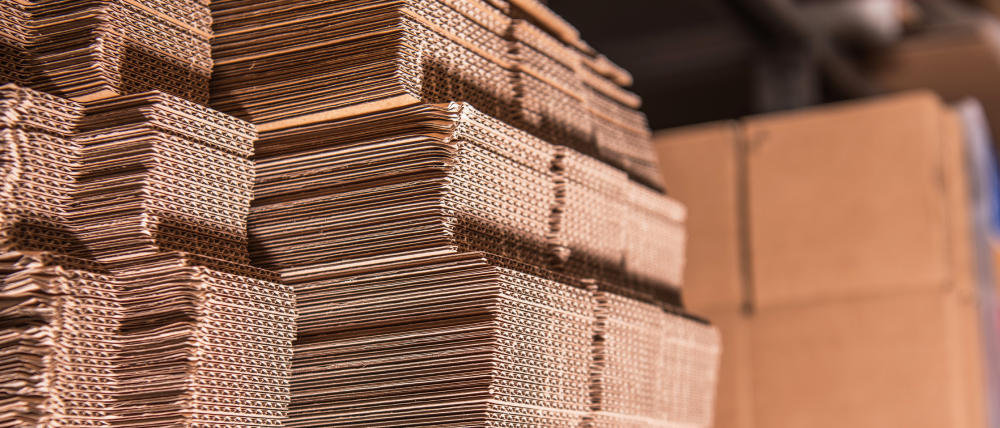
Since corrugated box packaging is reusable, recyclable, and biodegradable, it is frequently promoted as a more environmentally friendly alternative to plastic. It is easily recycled into fresh cardboard or other paper goods because it is made from wood pulp, a renewable resource, compared to glass packaging, plant-based packaging, and metal packaging solutions. Given that corrugated box packaging is durable yet lightweight materials, it’s perfect for safeguarding items while they’re in transportation. They are more robust due to the fluted construction, which also makes them invulnerable to collisions, pressure, and perforations compared to other alternatives, such as edible packaging which are very sensitive to temperature fluctuation and more costly. This is very helpful for sensitive or easily broken objects.
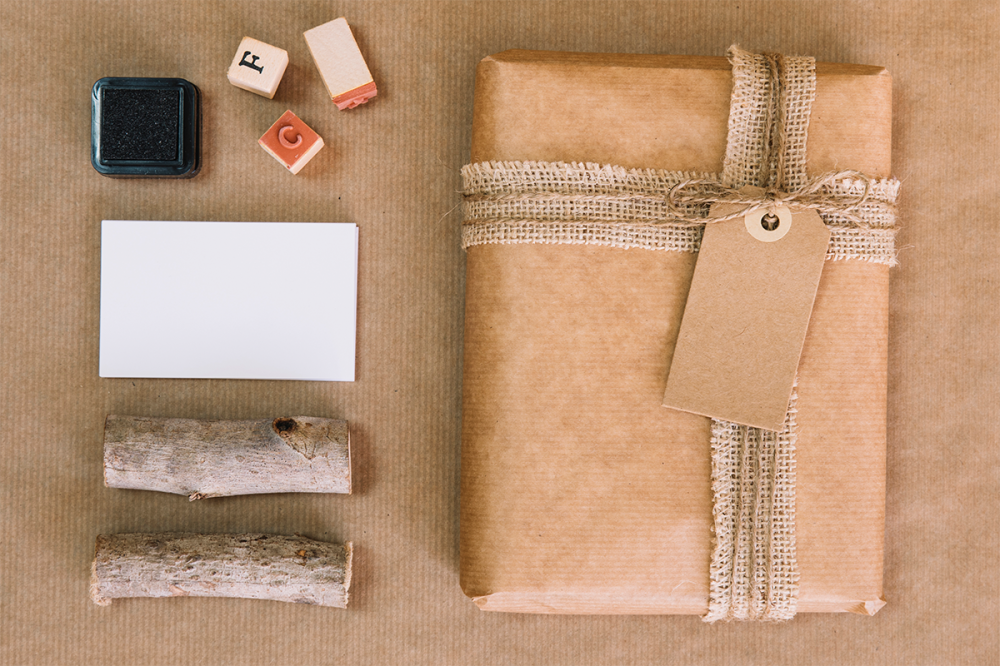
It provides flexibility in the packaging layout because it is easily customisable to fit different shapes and sizes. It is simpler to print advertising content, product details, or logos, which improves brand awareness and reputation. Corrugated box packaging is a cost-effective alternative for businesses because it is also comparatively less expensive yet easier to recycle procedure than plastic, biodegradable plastic, metal, and plant-based packaging.
To further elaborate, the digital printing technique for corrugated box packaging does not require plates and requires fewer setup materials, it improves packaging customisation and minimises waste. This makes it a crucial component of environmentally conscious packaging techniques since it enables quick, immediate printing that reduces excessive production and material consumption. The adverse effect on the environment has also been considerably lessened by developments in ink formulations, such as water-based and UV-curable inks, which are harmless and do not require further waste treatment. Digital printing can help ensure environmental criteria are met throughout the production process of green packaging that uses recyclable resources and procedures.
YF Packaging leads the way in innovative and technologically integrated sustainable packaging solutions through contemporary manufacturing and research and development. Top-notch, environmentally friendly corrugated boxes are guaranteed by cutting-edge facilities and technology. New materials and design approaches that put sustainability and effectiveness first are fueled by continuous advancement. Contact us if you are interested in our printing techniques and more details.