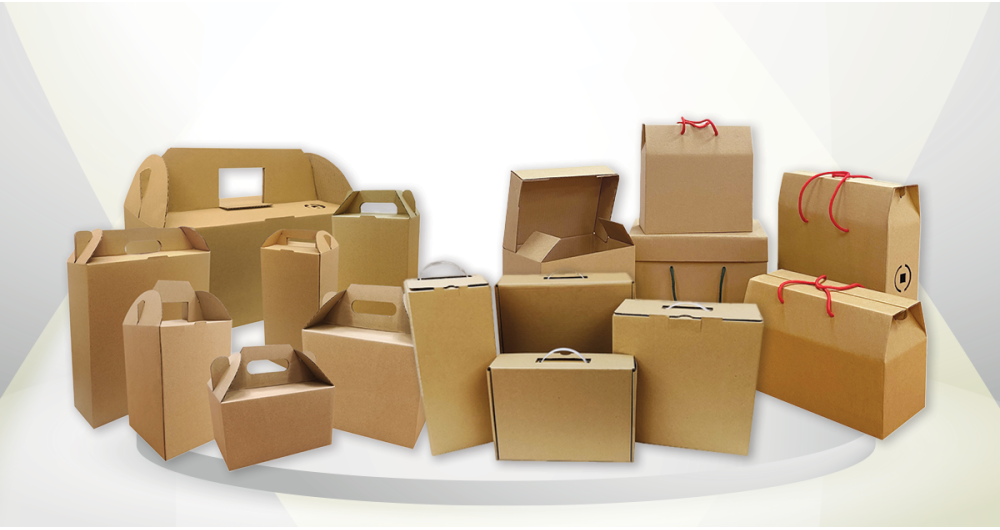
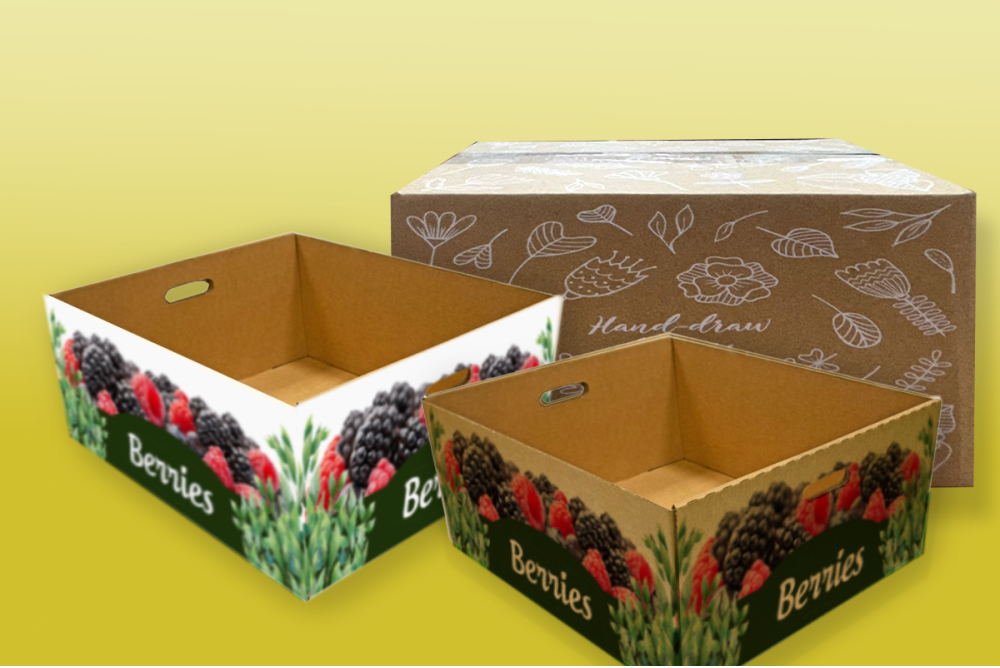
Sustainable business practices are now essential to ethical company operations in today’s changing industry. In addition to addressing environmental issues, eco-friendly food packaging has significant financial advantages. Businesses can cut waste, production costs, and brand reputation by incorporating innovative materials and design ideas. This thorough analysis identifies the top 14 environmentally friendly food packaging choices that effectively combine cost effectiveness and environmental stewardship, giving companies an advantageous position in the green economy.
Eco-Friendly Choice: Heavy-Duty Sustainable Packaging
Corrugated boxes reign supreme for heavy-duty transport. From die-cut trays to top and bottom cartons, and heavy-duty regular slotted cartons, they offer versatility, practicality, and eco-friendliness. YF Packaging provides diverse substrates and printing options for any order size or destination. We craft custom bulk bins and heavy-duty solutions for fruits, vegetables, canned food, glass jar of preserves, or any other perishable items. Our robust containers ship flat, reducing shipping weights and costs while ensuring easy assembly and stacking. Whether you’re shipping any items, including extra-large items or vulnerable items, our flat-packed designs ensure easy assembly and reduced costs; at the same time, our packaging is customized to absorb the shocking compression best and provide protective cushion based on the products packaged. Built to your requirements, our heavy-duty packaging safeguards bulky, weighty goods during export. From rugged double-wall to triple-wall cartons, YF Packaging crafts sturdy solutions for diverse needs considering the budget limit. Our single-pass digital printing offers swift, vibrant customization. These space-maximizing containers excel in cold storage and sea transport.
Figure 1: Die-cut Tray
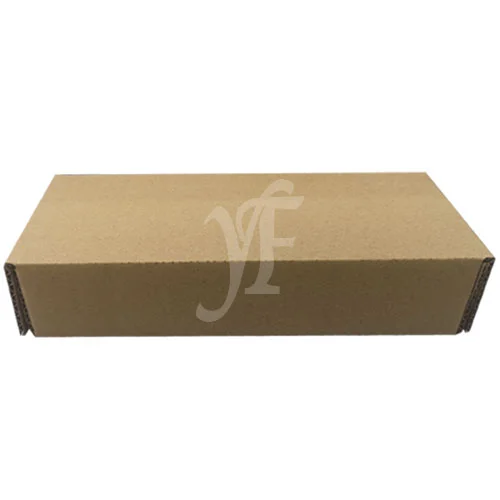
Source: YF Packaging
Fgure 2: Heavy-Duty RSC
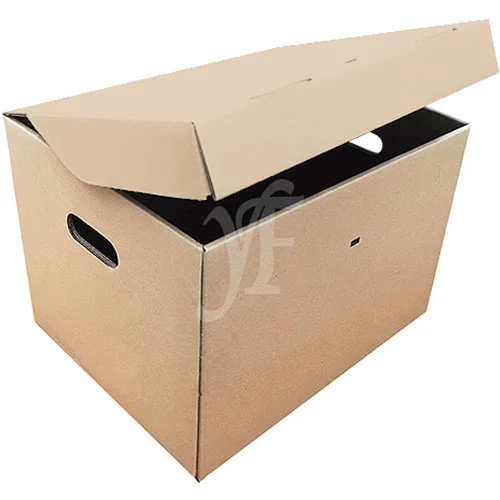
Source: YF Packaging
Figure 3: Top and Bottom Box
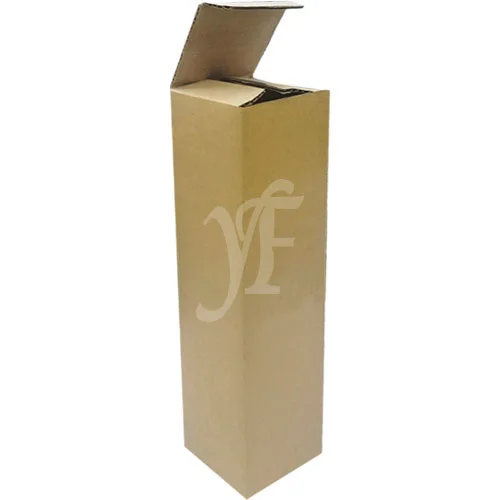
Source: YF Packaging
Custom In-Box Packaging: Regular Slotted Carton with Divider
Our paper-based, fully recyclable dividers offer personalized packaging alternatives for a number of issues related to existing die-cut technologies, such as waste from materials, storage difficulties, and the sluggish assembling of partitions into boxes. Any company who delivers food, especially with glass jar should have selected the RSC with partition from YF Packaging to reduce manufacturing costs to have lightweight materials, yet stronger and more flexible products. Our bespoke packaging options save setup and assembly time while optimizing protection and compactness. An optimised inventory tracking system, collapsible design, capacity to maximise density and nesting part, cutting back on all shipments. By Improving the grip and thickness to reduce the amount of material and resources usage could definitely help save your budget and at the same time, offer every possible level of protection.
Figure 4: RSC with Partition
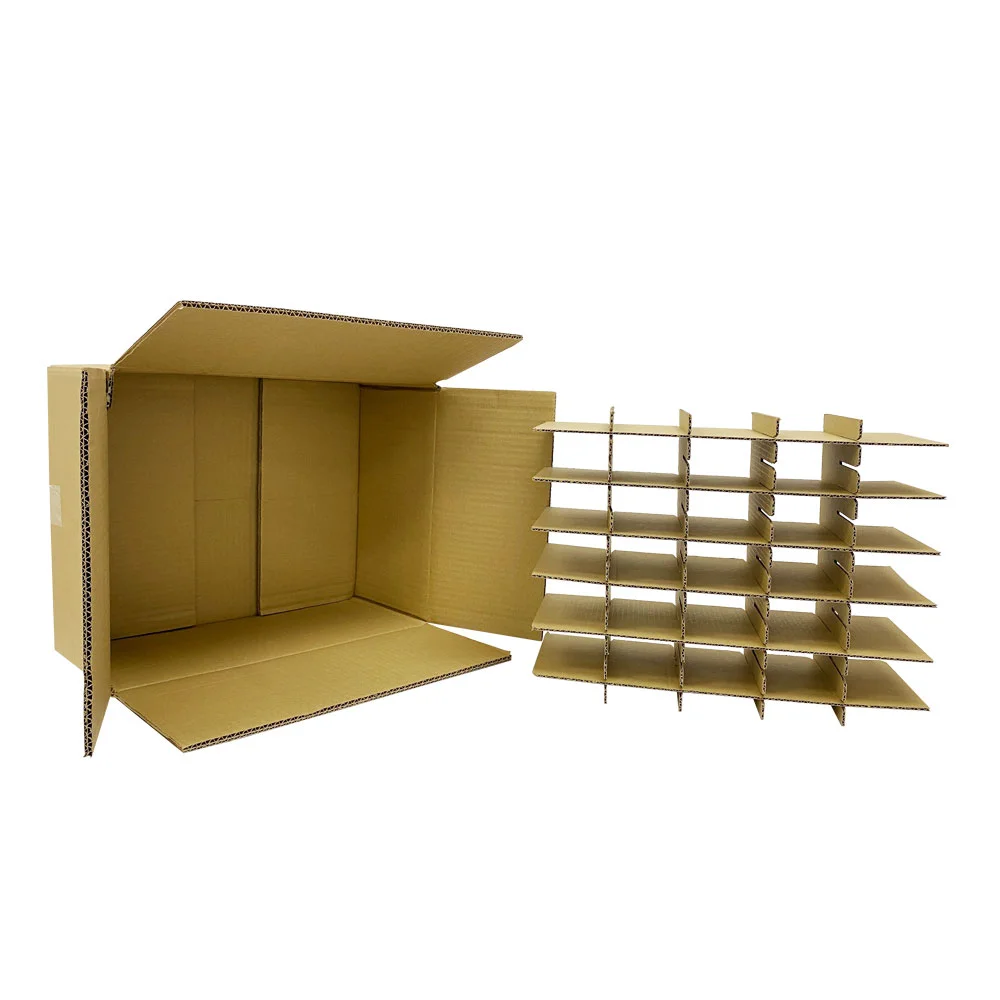
Resource: YF Packaging
Attractive and Functional: Personalised Food Packaging
Mailer boxes, or portal boxes, safeguard food during shipping. Their sturdy cardboard construction shields against transit damage. YF Packaging offers budget-friendly digital printing for logos and 2-3 colors, enhancing brand recognition without full-color costs. These versatile containers suit various edibles – from baked goods to beverages – with proper packaging and temperature control. Customizable designs elevate the unboxing experience, reinforcing brand identity. E-commerce food vendors rely on these protective, brandable solutions to ensure products arrive intact and appealing. Since the cardboard itself is made at high temperatures that destroy the majority of microorganisms, it is a contaminant-free material for food packaging. Additionally, by using a robust box, possibly equipped with insulation (such as a foam cooler), and making sure the box is properly sealed to preserve temperature control are essential for delivering perishable foods.
Figure 5: Mailer Boxes
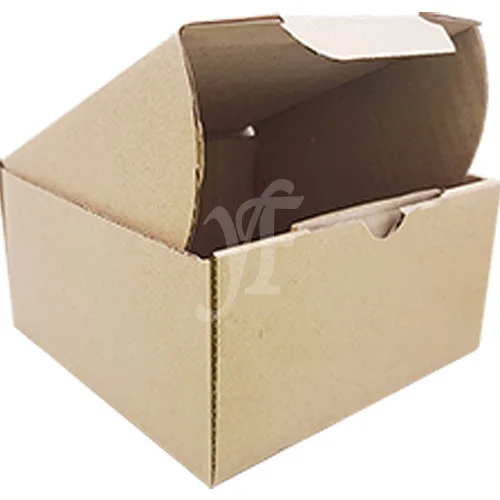
Source: YF Packaging
Perfect Crispy Taste: Food Freshness Retention Packaging
As takeout surges, eateries face mounting pressure for eco-friendly packaging. Food delivery services must adapt swiftly, balancing convenience with sustainability. Innovative solutions emerge to meet growing consumer expectations and environmental concerns. The industry evolves, seeking materials that protect both meals and the planet. Corrugated cardboard emerges as the ideal solution. Its fluted structure allows steam to escape, preventing soggy crusts while maintaining warmth. This simple design navigates competing constraints with precision.
The box’s effectiveness lies in its material properties. It manages the pizza’s humidity, crispiness, and slickness simultaneously. Steam flows through each corrugated channel, avoiding interior condensation. Delivering hot, fresh pizza within 30 minutes requires this delicate balance. The modern pizza box achieves it through subtle engineering, meeting both sustainability goals and consumer expectations. Its unassuming design belies its crucial role in the growing takeout industry. Corrugated pizza boxes excel at protecting and presenting pizzas perfectly. They keep food hot, fresh, and intact while resisting damage. Their design balances insulation and ventilation, ensuring pizzas arrive warm yet dry. Flat-packed for easy assembly and storage, these boxes stack efficiently for transport.
Beyond function, pizza boxes offer prime marketing real estate. With 5-8 minutes of consumer attention, customized printing can forge powerful brand connections. Some businesses transform boxes into augmented reality games or link to curated playlists via QR codes. A savvy packaging partner tailors solutions to your menu and customer needs. A few versatile products should cover your full range. Ideal packaging preserves food quality, appearance, and temperature while saving space. Modern options are breathable, odorless, microwavable, and customizable.Today’s eco-conscious consumers demand sustainable packaging. Our solutions fit existing waste systems and are both compostable and recyclable. We help businesses deliver delicious food and memorable experiences while respecting the environment.
Figure 6: Pizza Box with Handle
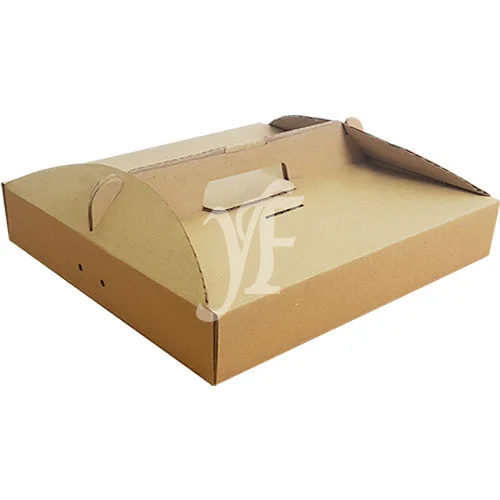
Source: YF Packaging
Eye-Catching Showcase: Cost-effective Branding Opportunities
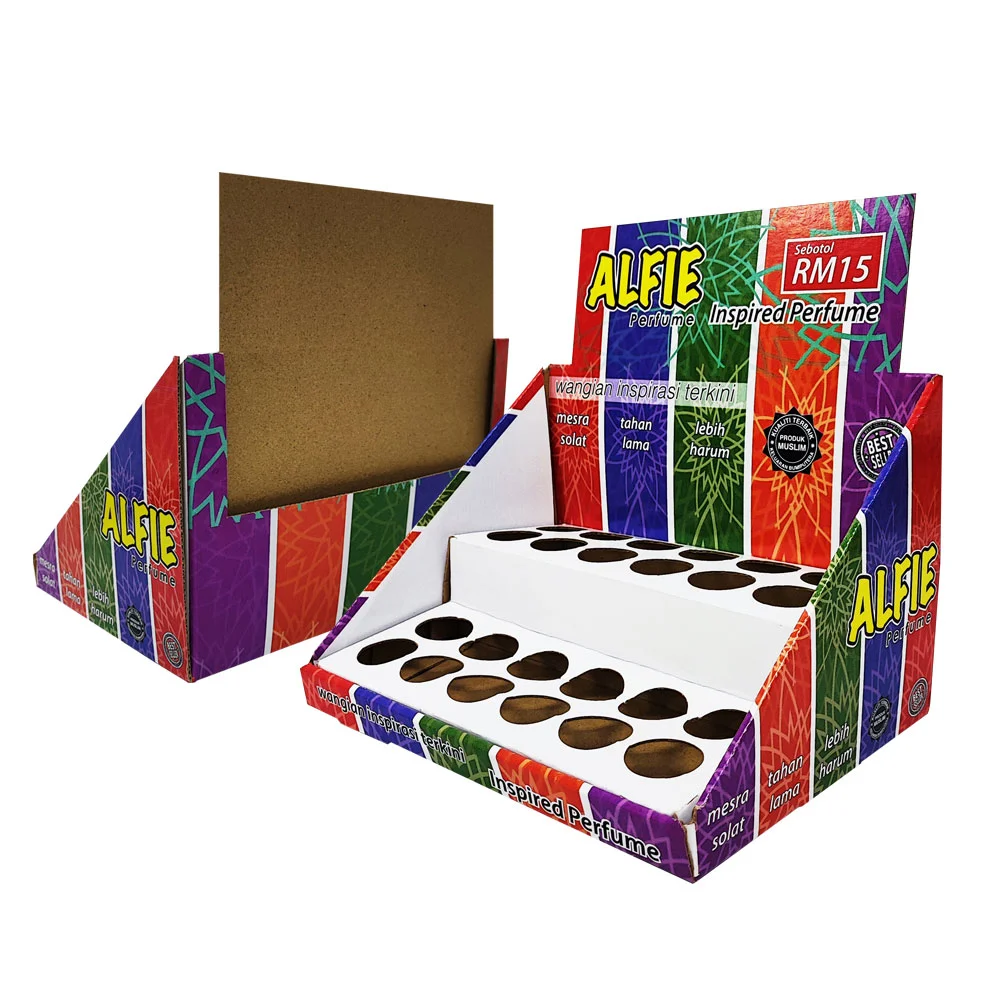
Cardboard display boxes provide a budget option for companies aiming to optimize their packaging costs while optimizing product showcases. By fulfilling both requirements in terms of product protection and brand exposure, these types of boxes can help in cost-saving. The low-cost material used, cardboard, is cheaper yet durable compared to other packaging options like plastics and metal. In addition, due to its lightweight properties, it helps to save shipping costs. It is designed to store flat, further easing the supply chain and transportation requirements. It does have impactful marketing values with a logo, specific information, and promotional messages, effectively spreading and promoting its brand at a lower cost.
Figure 7: Display Box
Source: YF Packaging
Simply Yummy: Redefining Dessert Packaging with Innovation
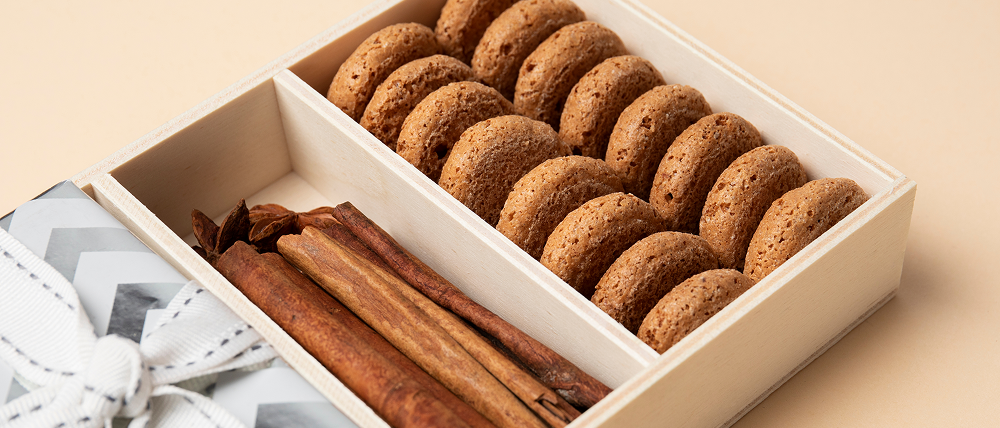
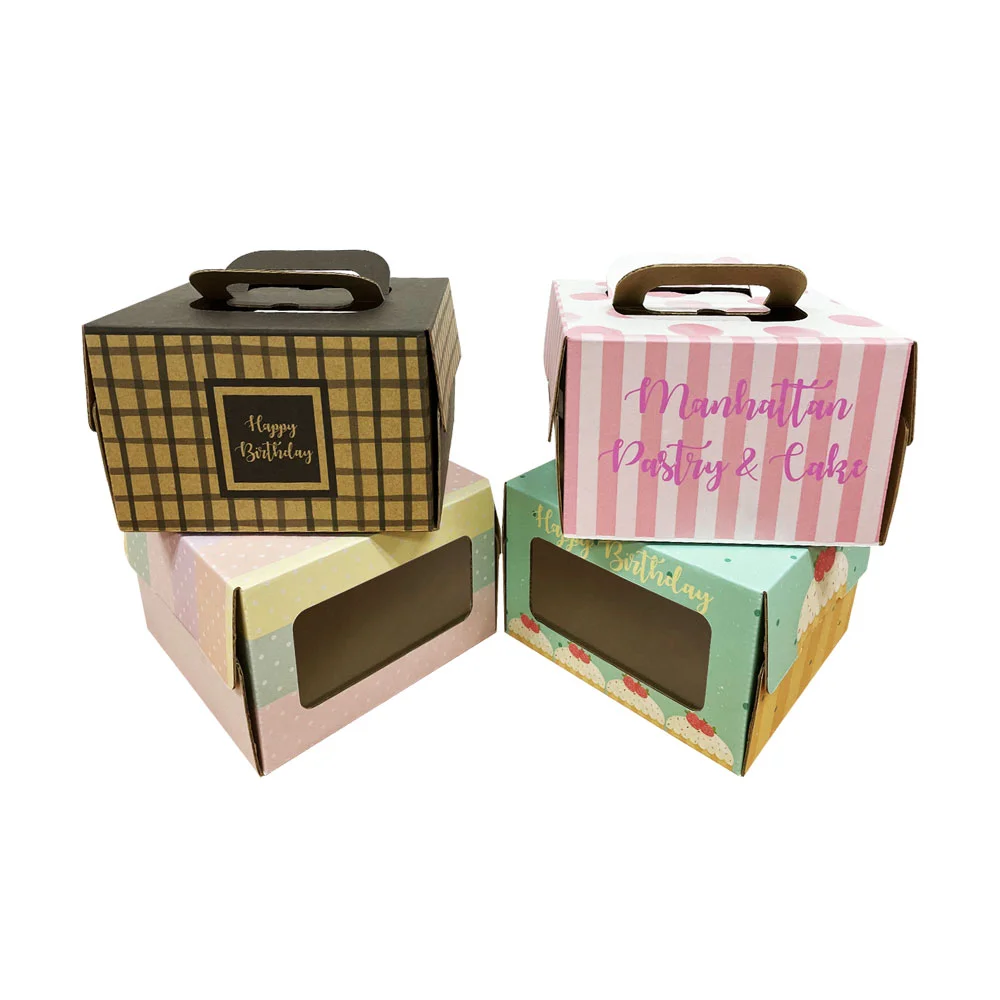
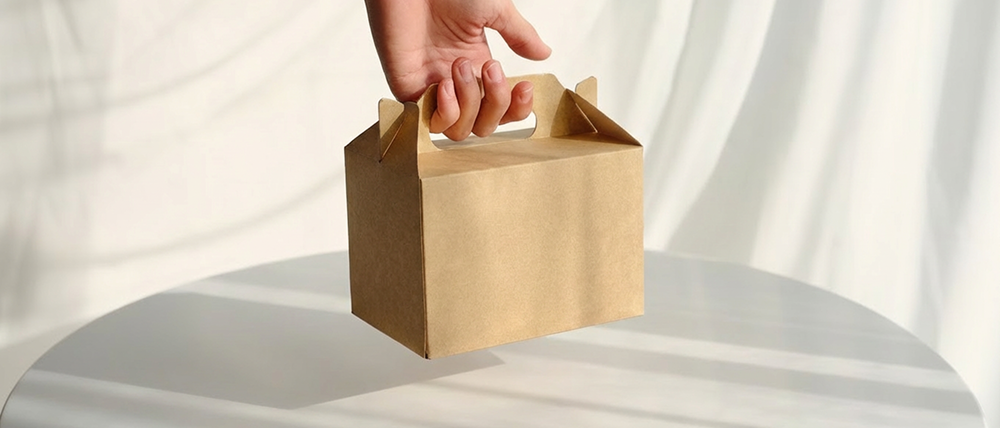
This dessert packaging design merges aesthetics with functionality, delivering an experience that extends beyond mere presentation. At first glance, its structure may appear simple, but baking enthusiasts will immediately recognize the ingenious opening mechanism, which replicates the sensation of pulling freshly baked treats straight from the oven. This thoughtful design not only evokes warmth and freshness but also enhances the overall consumer experience. Besides, some of the dessert box packaging is made with the handle for easy carrying like a plastic bag.
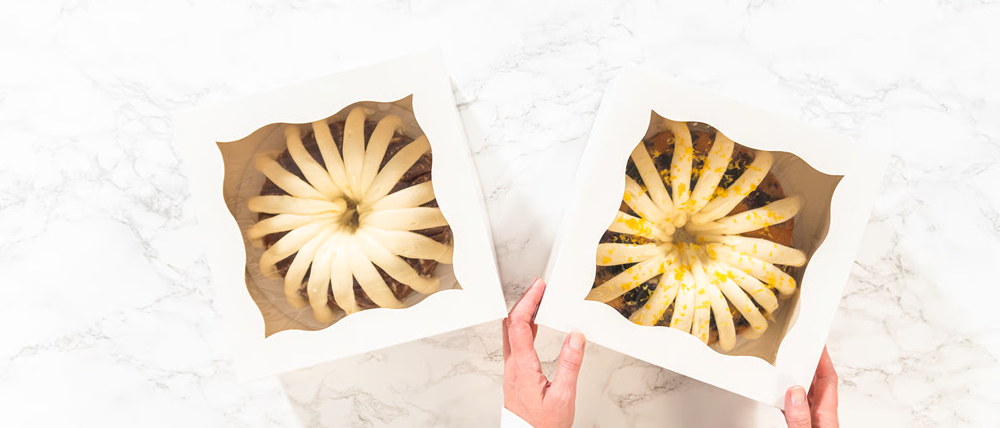
Unlike conventional plastic packaging that obscures the product, this design thoughtfully showcases the desserts in an elegant arrangement, reinforcing their artisanal quality. By prioritizing both visual appeal and practicality, the packaging ensures that the treats remain fresh, protected, and easy to access. This fusion of creativity and functionality strengthens brand identity while paving the way for successful future product launches.
Figure 8: Cookies Box Packaging
Source: YF Packaging
Figure 9: Cake Box Packaging
Source: YF Packaging
Figure 10: Pie Box Packaging
Source: YF Packaging
Figure 11: Dessert Box Packaging with Handle
Source: YF Packaging
Integration of Innovation In the Box Structure and Design: Gift Box Packaging
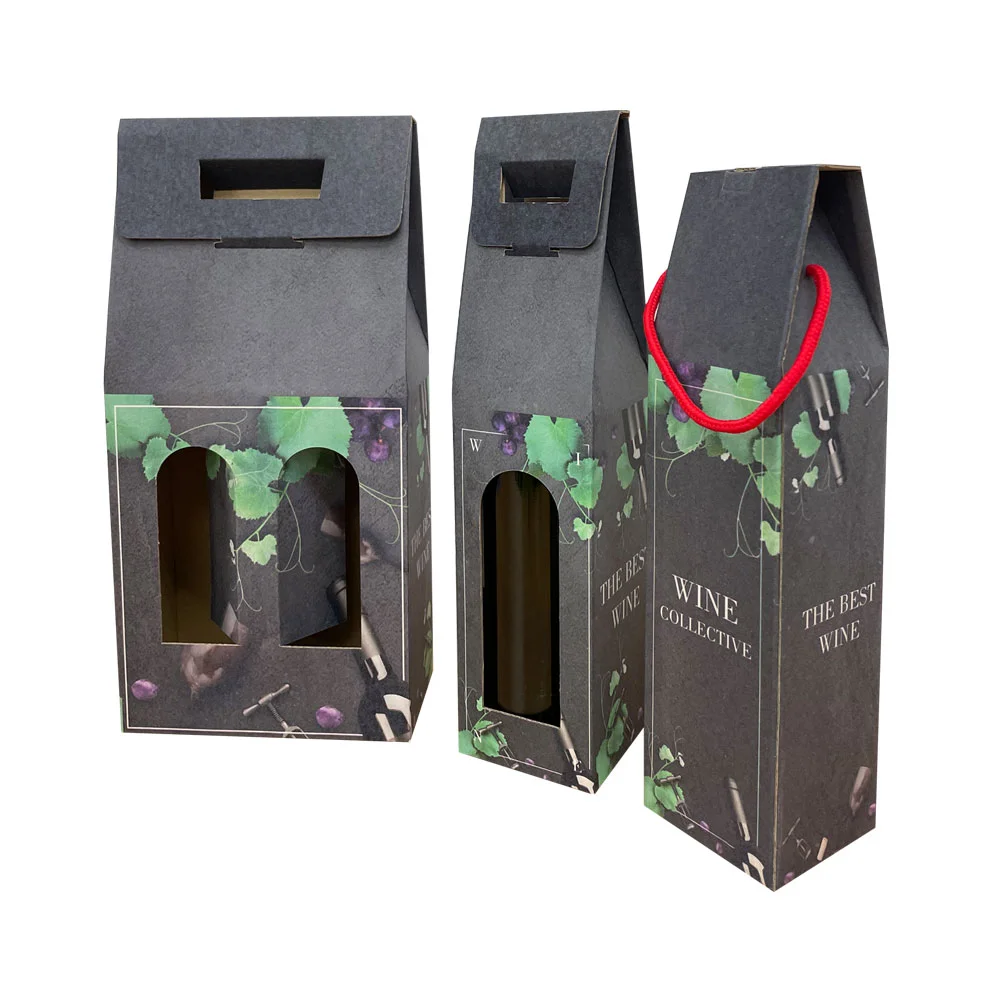
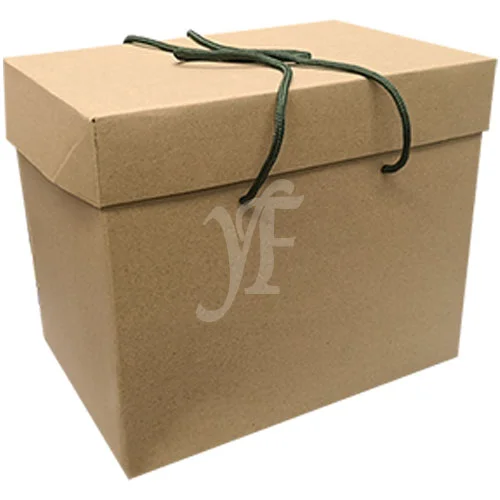
Optimizing package costs while preserving excellent product presentation is crucial in today’s cutthroat market. Designs for corrugated gift boxes, such as bird’s nest boxes, wine packaging, and boxes with handles, provide a chance to blend style with functionality. Adopting clever design techniques results in huge cost savings, and at the same time improves brand attractiveness.
Choosing the appropriate quality of corrugated material is crucial when it comes to the materials used. Options like the E-flute or B-flute, which are lightweight and sturdy, offer enough protection while using less material. Costs can be further reduced and environmental efforts can be supported by using recycled corrugated board. For specific uses, such as bird’s nest boxes or red wine, laminated or coated materials provide a high-end appearance without significantly raising costs. Creative design changes can drastically cut down on material waste and assembly complexity.
Streamlining the box structure by minimizing unnecessary flaps and folds lessens the raw materials required. Die-cut techniques simplify production by reducing the need for adhesives. For boxes with handles, integrating built-in cutouts instead of additional components minimizes both material and labor expenses. Such structural innovations lead to a more efficient manufacturing process and lower total production costs.
Additionally, mass production is made possible by the use of standardized sizing, which lowers waste and boosts cost-effectiveness. Custom dimensions frequently result in excessive material use, raising the cost per unit. Cost-effective manufacturing runs are made possible by a flexible, modular design that can handle a variety of product ranges and simplify logistics and storage. YF Packaging owns an array of products structural with the existing molds, hence, the customers are offered more than standardized boxes to be chosen. No extra costs would be charged for the existing molds that the company owned. Besides, there is no minimum order quantity for the existing molds of the companies.
More than that, savings also apply to decorating and printing. Ink and labor expenses can be greatly decreased by using digital printing technology instead of Flexographic printing, or full-colour Offset techniques. Lastly, sustainable methods, like flat-pack designs and biodegradable coatings, reduce transportation costs and satisfy consumers’ increasing demand for environmentally friendly products. Profitability is eventually increased without compromising quality thanks to effective, auto-lock bottom designs that further cut down on human assembly time. Businesses can maximize corrugated gift box packaging by implementing these tactics, which will guarantee cost-effectiveness and improved product presentation, hence enhancing brand identification and competitiveness in the market.
Figure 12: Wine Box Packaging with Handle
Source: YF Packaging
Figure 13: Bird’s Nest Box Packaging

Source: YF Packaging
Figure 14: Gift Box Packaging
Source: YF Packaging
Supporting eco-friendly food packaging is more than a passing fad; it is a long-term investment in a future that is environmentally friendly. The 14 food packaging approaches described have two advantages: they significantly lower costs while limiting environmental effect. As customer demand for environmentally friendly practices grows, adopting these cost-effective packaging choices allows firms to not only fulfill marketplace demands but also drive long-term efficiency in operations. Finally, the transition to sustainable packaging is a smart, proactive strategy that benefits both the bottom line and the environment.