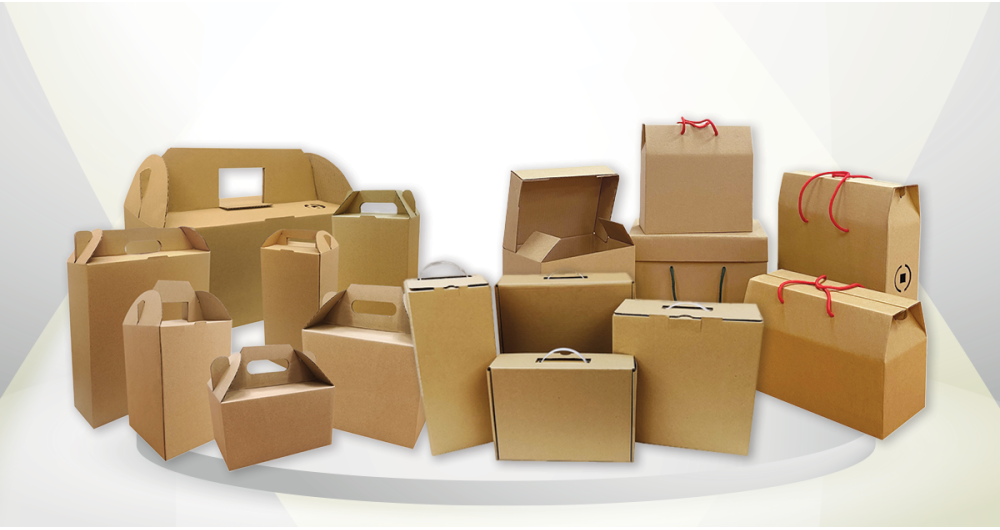

Hey everyone! If you’re selling stuff online, shipping products anywhere in the world, or choosing the boxes things come in, you know packaging is a big deal.
Why Corrugated Boxes Still Rule in 2025
First off, why are we even talking about corrugated boxes? These boxes are made from paperboard with a wavy, fluted layer in between. This makes them strong, light, and easy to recycle. They’re perfect for shipping everything from electronics to food. Because they are sustainable, corrugated boxes are also a great substitute for single-use plastics, which is increasingly important as consumers and governments demand more eco-friendly options (NowPac, 2025).
It’s not just about putting something in a box anymore. Your packaging choices hit your wallet, they affect how customers see your brand, and they even impact our planet. We’re talking about corrugated boxes today – those trusty cardboard containers that carry so much of our stuff. The world of corrugated packaging is changing fast, especially as we look at 2025. Things like online shopping booming, people wanting greener options, and new tech are shaking things up (Research and Markets, n.d.; ASC Direct, 2025).
Maybe you’re an e-commerce seller trying to cut costs but still wow your customers. Or perhaps you’re a buyer for a big retailer needing packaging that works perfectly, arrives fast, and meets all the environmental rules. You need packaging suppliers who are up-to-date. Suppliers who offer the latest stuff, design cool boxes that save money, print things quickly, help with tricky international shipping, and know the rules in different countries.
This post is for you. We’re diving deep into what’s happening with corrugated boxes in 2025. We’ll look at the challenges, the cool new ideas, and how you can use this knowledge to make smarter choices for your business. Let’s unpack the future of corrugated packaging together, focusing on what really matters for businesses like yours.
1. Box Designs are Getting Smarter
Optimize the box structure itself. We’re seeing more clever designs like:
Boxes that lock themselves: No need for tape sometimes! Auto-lock saves time when packing, which is great for busy e-commerce operations. It can also make the box feel more secure and tamper-evident (Standfast Group, n.d.; ASC Direct, 2025).
Boxes with sections inside: Perfect for subscription boxes or kits where you have multiple items. Good organization looks professional and protects items better (Standfast Group, n.d.).
Shipping costs can eat into your profits, so it makes sense to use less material whenever possible. Light-weighting is all about making boxes that are strong but use less paper.
Optimized Designs: Smart box designs minimize the amount of paper needed while still protecting the contents. Advances in paper technology and fluting mean that boxes can be made with thinner paperboard without sacrificing strength.
Custom-fit padding: Instead of loose fill, imagine perfectly shaped cardboard inserts holding your product snugly. This means less movement, less damage, and often less overall packaging material. This is super important for fragile items.
Computers are even helping design these boxes now. Artificial intelligence (AI) can look at your product, figure out the best box shape and strength needed, and use the least amount of material (ASC Direct, 2025; LBBOnline, 2025). This saves money and is better for the planet. So, when you talk to packaging companies, ask them how they design boxes. Do they use tools to make sure it’s the right size and strength, not just a standard box? Can they create custom inserts? This kind of smart design directly impacts your costs and how happy your customers are when their product arrives safe and sound.
2. Special Boxes for Special Stuff: Pharma and Electronics Needs
Plain brown boxes work for lots of things. But if you sell electronics or health-related products, you need more. These industries have very specific packaging needs. Using the wrong box can lead to damaged goods, unhappy customers, or even regulatory problems.
For Health & Pharma Products: Selling vitamins, supplements, medical devices, or anything health-related online? Your packaging needs to be top-notch.
Keeping things cool (or warm): Some products need to stay at a certain temperature. Your corrugated box might need special insulation layers or be designed to work well with cold packs. Some smart boxes even have sensors to track temperature during shipping (linking to that IoT tech we’ll talk about later).
Safety first: Boxes need to show if they’ve been opened. Think special seals or designs that tear when opened (ASC Direct, 2025). This builds trust with your customers.
Clear info: Lots of information needs to fit on the box – ingredients, instructions, expiry dates. The box surface needs to be good for printing this clearly. Maybe use QR codes linked to more details online (LBBOnline, 2025)?
Protection: Glass bottles or delicate items need excellent cushioning.
Demand for healthcare products is growing, so packaging suppliers need good solutions for this market (IMARC Group, 2025; CoherentMI, 2025). Ask suppliers about their experience with pharmaceutical or nutraceutical packaging specifically.
For Electronics: Selling gadgets, components, or consumer electronics? Protection is key.
Shock absorption: Electronics hate being dropped or shaken. Your box and inserts must provide great cushioning (Standfast Group, n.d.). Custom-fit inserts are often essential here.
Static control: Static electricity can fry electronic components. You might need boxes with anti-static coatings or inner bags. Talk to your supplier about anti-static options if you sell sensitive electronics.
Perfect fit: No one wants a laptop sliding around in a huge box. Custom designs prevent movement and reduce the need for excessive filler material.
Looking good: For consumer electronics, the box is part of the brand experience. Good printing quality and a smart structural design matter. Think about the “unboxing” moment, they shared through different social media platforms to expose your brand with the packaging as the consumers’ first impression.
As online sales of electronics keep rising, the need for really good, protective corrugated packaging grows too (IMARC Group, 2025). Don’t just grab any box; work with a supplier who understands how to protect delicate and valuable electronics properly during shipping, especially long international journeys.
3. Saving Money and Speeding Things Up: The Economics of Your Box
Let’s talk money. Corrugated boxes are generally seen as a low-cost option (Standfast Group, n.d.; Packoi, 2025). But the right corrugated box strategy can save you even more money and make your whole operation run smoother. Conversely, ignoring packaging trends can cost you.
How Smart Packaging Choices Save You Cash:
Use Less Material: This is the big one. If your supplier can design a box that uses even 10% less cardboard but still protects your product, that’s a direct saving on every single box. Lightweighting also helps meet sustainability goals and can lower shipping costs, especially with carriers using dimensional weight pricing (GWP Group, 2024; Adherex Packaging, 2025). Simple, minimalist designs often use less material too (Paper Mart, 2025). Ask your supplier about “right-sizing” your packaging.
Choose the Right Printing: Need just a small batch of boxes for a seasonal promotion? Digital printing avoids the high setup costs of traditional printing plates, making short runs affordable (Asset Liquidity, 2025; Packoi, 2025). But for huge runs of the same design, traditional flexo printing might still be cheaper per box. Understand the trade-offs and discuss minimum order quantities (MOQs) with your supplier.
Pack Faster: Boxes designed for easy assembly, perhaps with self-locking features, mean your team spends less time packing orders. This saves labor costs, especially important for e-commerce fulfillment centers (ASC Direct, 2025).
Prevent Damage: A slightly more expensive, better-designed box that prevents product damage saves you much more in the long run. Think about the cost of replacing a damaged item, shipping it again, and dealing with an unhappy customer. It adds up fast.
Bulk Buying Smartly: Sometimes, buying a larger quantity of boxes can get you a much better price per box. Some large companies are even stockpiling boxes because raw material prices are expected to rise. This might not work for small sellers with limited space, but it’s worth asking your supplier about price breaks for larger orders if you have predictable needs.
Making Your Supply Chain Work Better:
Shipping Efficiency: Lighter, smaller boxes mean you can fit more packages on a pallet or in a shipping container. This lowers transportation costs and carbon footprint.
Knowing Where Your Stuff Is: Smart tags (like RFID) on boxes can help track shipments in real-time. This improves inventory management and gives you (and maybe your customers) better visibility, especially for international shipments (LBBOnline, 2025; Adherex Packaging, 2025).
Buying Local?: Sometimes sourcing boxes from a supplier closer to you can cut down delivery times and shipping costs, and it might make collaboration on designs easier (GWP Group, 2024). Weigh this against potential cost differences from overseas suppliers.
Buying Abroad?: Sometimes, after weighing the packaging cost with the inclusion of tariff, duties, labour cost, packaging material cost, sustainability cost, and supply chain disruption cost, perhaps, it is way cheaper if buying from Asia countries’ suppliers.
But Watch Out For Costs Too: Paper costs can go up and down, especially after the anouncement of Trump’s Tariff. New environmental rules (like EPR fees where companies pay for recycling) might add costs if your packaging isn’t efficient or easily recyclable (GWP Group, 2024; Adherex Packaging, 2025). Investing in new custom designs or machinery also has upfront costs (IMARC Group, 2025). The key is to work with a supplier who understands these economic factors and can help you find the most cost-effective and responsible solution for your specific needs.
4. What Your Customers Think Matters: Sustainability is the Only Way to Go
Eco-friendly packaging isn’t a “nice-to-have” anymore; it’s a must-have. Customers want it, and regulations are pushing companies in that direction. Corrugated boxes are already a good choice because they are recyclable, but here’s how things are getting even greener:
More Recycled Content: Boxes are increasingly made from 100% recycled materials. This reduces the need to cut down trees and keeps waste out of landfills (EcoEnclose, 2025).
Closed-Loop Recycling: This means that the paper used to make boxes is collected, recycled, and turned into new boxes. This creates a continuous cycle of reuse and minimizes waste.
Biodegradable Options: Some companies are experimenting with biodegradable coatings and water-based inks to make boxes even more eco-friendly, no waste treatment required and harmless to be recycled into new boxes (YF Packaging Sdn. Bhd., 2025).
Regulatory Compliance: Be aware of regulations such as the European Union’s Packaging and Packaging Waste Regulation (PPWR), which enforces strict rules to reduce unnecessary packaging, require high recyclability scores, and promote reusable packaging. For example, transport packaging in the EU must not have more than 50% empty space, and 40% of transport packaging must be reusable (Nefab, 2025).
Another point of view is never underestimate the power of your customers’ opinions, especially when it comes to packaging. Today, people care deeply about the environment, and they expect brands to care too. Your corrugated box is a very visible part of your environmental footprint.
People Choose Green: It’s not just talk. Most shoppers (a huge 90%!) say they’re more likely to buy from brands using sustainable packaging (Shorr, 2025). Many (over 50%) have actively picked a product because its packaging was eco-friendly (Shorr, 2025; StampedWithLoveXOXO, 2025).
They’ll Pay More (Sometimes): Almost half of consumers are willing to pay a bit extra for sustainable packaging (Shorr, 2025). Younger generations (Gen Z and Millennials) are even more willing (Shorr, 2025; StampedWithLoveXOXO, 2025). This shows that investing in greener packaging isn’t just a cost; it can be a selling point.
They’ll Switch Brands: If your packaging seems wasteful or harmful, customers might leave you. Around 39% have switched to a competitor because they offered greener packaging (Shorr, 2025). Loyalty is earned, and sustainable practices help earn it.
Tell Them Clearly: Don’t make customers guess if your box is eco-friendly. Use clear labels like “Recyclable,” “Made from 75% Recycled Content,” etc. (Shorr, 2025). Corrugated is great because it is widely recyclable and often contains recycled paper, so highlight that! (Standfast Group, n.d.; Emerald Insight, 2025). Make recycling instructions easy to find.
The Unboxing Buzz: For e-commerce sellers, the moment a customer opens your box is critical. Is it frustrating with tons of plastic filler? Or is it a neat, eco-friendly experience? Good packaging (well-designed, maybe nicely printed, and sustainable) gets shared on social media, creating free marketing for you (ASC Direct, 2025; Shorr, 2025).
Simple is Good: Often, clean, simple packaging designs feel more modern and eco-conscious to consumers (Paper Mart, 2025; GBPack, 2025). Save cost of packaging if excessive inks or coatings aren’t needed.
The message is clear: By 2025, sustainable packaging isn’t optional; it’s expected (Shorr, 2025). Choosing recycled-content corrugated, right-sizing your boxes, using eco-friendly inks, and clearly communicating your efforts is not just good for the planet – it’s good for business. It builds trust, attracts customers, and strengthens your brand image.
5. Tech in the Box: Getting Smart with AR and IoT
Internet of Things (IoT): Making the Box Work Harder
This involves putting tiny sensors or tags (like RFID or NFC chips) on or inside your packaging.
QR Codes: Customers can scan QR codes on boxes to access product information, track their order, or participate in loyalty programs.
RFID Tags: RFID tags allow you to track boxes throughout the supply chain, helping to prevent loss and improve efficiency.
NFC Chips: NFC chips can be used to authenticate products and prevent counterfeiting.
A simple tap or scan with a phone could take customers directly to a reorder page, your website, recycling info, or product registration (LBBOnline, 2025; Adherex Packaging, 2025; Paper Mart, 2025).
Know exactly where your package is, especially important for valuable or international shipments. Some sensors can even tell you if the box was dropped, got too hot, or was opened prematurely (LBBOnline, 2025; Adherex Packaging, 2025). This helps resolve disputes and identify problems in your shipping process. Tags can automatically update inventory systems as packages move through warehouses. For high-value goods, smart tags can help customers verify they received a genuine product, fighting counterfeits.
Right now, the cost of these technologies means they aren’t used on every single box (GWP Group, 2024; Adherex Packaging, 2025). But the prices are coming down. For businesses shipping valuable items, temperature-sensitive goods, or wanting to offer a really unique customer experience, smart packaging is worth investigating in 2025. Ask your packaging supplier if they offer solutions with QR codes, NFC tags, or have experience integrating sensors. Even simple QR codes are easy and cheap to add and can provide a lot of value by linking customers to online content.
Corrugated boxes are getting smarter, thanks to the integration of technology:
Technology is creeping into everything, even the humble cardboard box. “Smart packaging” sounds futuristic, but parts of it are becoming practical for businesses today, offering new ways to connect with customers and manage logistics.
Augmented Reality (AR): Bringing the Box to Life
Imagine a customer scans a code on your box with their phone. Suddenly, they see a 3D model of the product, setup instructions floating in the air, or a video about your brand story. That’s AR.
Cool Customer Experiences: AR can make unboxing more fun and informative. Think assembly guides for furniture, usage tips for cosmetics, or interactive brand stories (LBBOnline, 2025; Paper Mart, 2025; GBPack, 2025).
Less Paper Needed: Instead of printing thick manuals, link to an AR instruction guide. Saves paper and cost.
6. Digital Printing Gets an Eco-Makeover: White Ink on Brown Boxes Rocks!
How your box looks matters. Printing your logo, brand colors, and product info is essential. For years, the main choices were flexography (good for big runs, okay quality, works on brown boxes) or offset printing (high quality but needs smoother , pricier paper, often laminated onto the box) (Asset Liquidity, 2025; Packoi, 2025). If you wanted really nice printing, especially with white ink, you often had to use a box with a coated white outer layer. But many brands today aim for low-cost packaging solution, and want that natural, eco-friendly look of a brown kraft box, and they still want sharp, vibrant printing.
Your packaging is a chance to tell your brand’s story and connect with customers. Customization options for corrugated boxes are getting better and more affordable:
Digital Printing Technology: Digital printing allows you to print high-quality images and graphics directly on boxes, without printing plates and mold needed. This means you can create eye-catching customizable designs in lower cost compared to other printing technology (Norlands, 2025; Racer Boxes, 2025). Besides, the turnaround time is shorten for the manufacturing process by adopting digital printing technology.
Custom Box Sizes: Instead of using the same size box for every product, you can order custom sizes that fit your items perfectly. This saves packaging cost by reducing wasted space, inks and minimizing the need for void fill (Express Packaging, 2025).
Unique Structures: Boxes can be designed with special features like tear-away openings, built-in displays, or compartments for multiple items.
Enter Digital Printing with White Ink: This is a game-changer for many retailers and wholesalers who are looking for budget-friendly packaging solutions that do not compromise the graphic printing on packaging.
Looks Great on Brown: New digital printers can lay down a layer of opaque white ink directly onto a standard brown corrugated box. Then, they print your colors (CMYK) on top of the white. The result? Bright, sharp graphics that really pop, even on a brown background. You get that premium look without needing the more expensive white coated paper.
Awesome for Different Order Volumes: Digital printing doesn’t need printing plates. This means the setup cost is way lower. So, no matter how many boxes you need, or want to personalize boxes with customer names, digital is perfect and much cheaper than setting up a traditional print run or pricier offset print (Asset Liquidity, 2025; Packoi, 2025). Turnaround times are often faster too.
Greener Choice: You can use uncoated brown board, which often has higher recycled content and requires less processing than bleached white board. So it aligns with sustainability goals. Digital printing often results in less ink waste, more design flexibility, and setup material waste compared to traditional methods (Packoi, 2025).
How it Compares:
It gives much better quality than standard flexographic printing directly on brown, especially if you need white or light colors. For short-to-medium runs, it can be cheaper than high-quality flexo or offset on white coated board, while giving you that desirable eco-look.
For very large runs (tens of thousands) of the same simple design, traditional flexo might still be the most cost-effective per box (Asset Liquidity, 2025). However, the graphic printing quality is questionable when compared to white-ink digitally printed box packaging.
So, if you want beautiful branding on a natural-looking brown box, especially for quantities from a few hundred up to several thousand, or if you need customization, ask your packaging supplier about their digital printing capabilities, specifically with white ink. It’s a fantastic option that balances cost, quality, flexibility, and sustainability – hitting many sweet spots for businesses in 2025 (ASC Direct, 2025; GBPack, 2025).
7. Automation: Speed and Efficiency are Key
In today’s fast-paced world, you need packaging that can keep up. Automation is transforming the way corrugated boxes are made:
Automated Box Making: Machines can now quickly assemble boxes, apply tape, and print labels, reducing the need for manual labor.
Robotic Packing: Robots can pack products into boxes with speed and precision, further streamlining the packaging process (CorrVision Expo, 2025).
8. Minimalist Design: Simple is Stylish (and Sustainable)
When it comes to packaging, sometimes less is more. Minimalist designs use less material and are visually appealing:
Clean Graphics: Minimalist boxes feature simple logos, clear typography, and plenty of white space.
Uncoated Paper: Using uncoated paperboard gives boxes a natural, eco-friendly look.
9. Shipping Challenges & Rules: Getting Your Box Across Borders
If you sell internationally, or even across different states or regions, you know that packaging isn’t just about the box itself. It’s about getting it through the logistics chain safely and legally.
Making Boxes Travel-Ready:
Strength for the Journey: International shipping is rough on boxes. They get stacked high, handled multiple times, and face varying temperatures and humidity. Your box needs to be strong enough. Double-wall or even triple-wall corrugated might be necessary for heavy items or long distances (Standfast Group, n.d.). Discuss the shipping journey with your supplier to choose the right board strength.
Humidity Matters: Boxes travelling by sea or to humid climates can lose strength if they absorb moisture. Ask about moisture-resistant coatings or liners if this is a concern for your products.
Customs & Handling: Clear labeling is vital. Make sure shipping labels, customs declarations, and any required markings (like handling symbols) are easy to read and securely attached.
Navigating the Rules: Packaging regulations are getting stricter worldwide, especially concerning sustainability and waste.
EPR (Extended Producer Responsibility): In Europe (UK, France, Germany, etc.) and increasingly in parts of the US and Canada, companies that put packaging on the market are responsible for paying fees towards its collection and recycling (GWP Group, 2024; Adherex Packaging, 2025; Taropak, n.d.). These fees are often based on the weight and material type of your packaging. Using less material (lightweighting) and choosing easily recyclable materials like corrugated can lower these fees.
Plastic Taxes: Many countries are taxing single-use plastics or requiring minimum recycled content in plastic packaging. This makes corrugated, which is paper-based, an even more attractive alternative (GWP Group, 2024; CoherentMI, 2025).
Recycling Labels: Rules about how to label packaging for recyclability are changing too, aiming to stop confusing or misleading (“greenwashing”) claims (Adherex Packaging, 2025).
Material Restrictions: Some places might restrict certain chemicals or materials used in packaging inks or adhesives.
Keeping up with regulations in every market you sell to is tough. This is where a knowledgeable packaging supplier is invaluable. Choose a supplier with experience in international shipping and compliance. They should be able to advise you on:
- Material choices that meet regulations in your key markets.
- Designing packaging to minimize EPR fees.
- Correct labeling for recycling and handling.
- Documentation needed for customs.
Don’t try to navigate this alone. Leverage your packaging partner’s expertise to avoid costly fines, shipment delays, or having your products rejected in other countries.
Real-World Examples
Here are a few companies that are already leading the way in corrugated box packaging innovation:
Amazon: Amazon uses fit-to-product (FtP) corrugated boxes to reduce waste and shipping costs by customizing box sizes precisely to products (Smithers, 2025).
THIMM Group: THIMM Group developed COOLandFREEZE, a temperature-controlled corrugated box for cold chain logistics (Royal Containers, 2025).
International Paper: International Paper expanded its sustainable packaging portfolio by acquiring DS Smith, emphasizing eco-friendly materials and innovation (Grand View Research, 2025).
Wrapping It Up: Your Next Steps
Okay, that was a lot! But the main message is simple: your corrugated packaging choices in 2025 have a huge impact on your business’s success. It’s not just a cost center; it’s a strategic tool.
By thinking smarter about your boxes, here’s how these innovations solve some of the biggest challenges facing e-commerce sellers, retailers, and wholesalers. You can:
Save Money: Through better designs, using less material, and choosing the right printing methods. Light-weighting, custom box sizes, and automation can all help you reduce your packaging and shipping costs.
Keep Customers Happy: By ensuring products arrive safely and providing a great (and green!) unboxing experience.
Boost Your Brand: Using sustainable packaging and clear communication shows customers you care. Eye-catching packaging and smart features can increase customer engagement and drive sales.
Complying with ESG: Using sustainable materials and promoting reusability can help you meet your environmental, social, and governance (ESG) goals.
Operate More Efficiently: Smart packaging and reusable boxes can improve supply chain visibility and reduce waste. With faster packing times and smoother logistics.
Stay Compliant: Working with knowledgeable suppliers helps you navigate tricky international regulations and fees.Let them help you comply with country-specific rules, such as the EU’s PPWR (Nefab, 2025).
So, what should you do now?
Look at your current packaging: Is it optimized? Is it too big? Is it truly sustainable? Could it be better?
Talk to your packaging supplier (or find a new one!): Ask them the tough questions based on what we discussed. How can they help you save money and meet your sustainability goals with eco-friendly printing options? Are they equipped with a team of experienced packaging designer? Do they offer digital printing with white ink? Can the company create custom box sizes and designs to meet your specific needs? Does the company offer smart packaging solutions and automated production processes? Does the company understand and comply with international packaging regulations?
Think about your customers: What do they expect from your packaging? How can you use your box to build a stronger connection with them? Does the company provide responsive and helpful customer service?
The corrugated packaging industry is moving fast. By staying informed and working with proactive partners, you can make sure your packaging isn’t just a box, but a real asset for your business in 2025 and beyond. Good luck!
References
Adherex Packaging. (2025, January 20). Packing industry trends to watch in 2025. https://www.adherexpackaging.com/packing-industry-trends-to-watch-in-2025/
ASC Direct. (2025, January 1). Corrugated packaging trends for 2025: Sustainability, innovation, and AI. https://www.ascdirect.co.uk/news/corrugated-packaging-trends-for-2025-sustainability-innovation-and-ai/
Asset Liquidity International. (2025, February 5). What printing process is best for corrugated packaging? https://www.assetliquidity.net/blog/what-printing-process-is-best-for-corrugated-packaging
CoherentMI. (n.d.). Malaysia corrugated packaging market trends, size forecast. Retrieved April 24, 2025, from https://www.coherentmi.com/industry-reports/malaysia-corrugated-packaging-market
CorrVision Expo. (2025). Technological advancements in corrugated packaging production. https://corrvisionexpo.com/Technological-advancements-in-corrugated-packaging-production
EcoEnclose. (2025). Sustainable materials and recycling in corrugated packaging.
Express Packaging. (2025). Your guide to custom box design for better packaging. https://www.expresspkg.com/news/your-guide-to-custom-box-design-for-better-packaging/
Emerald Insight. (2025, April 17). Consumer’s behavior concerning sustainable green packaging. https://www.emerald.com/insight/content/doi/10.1108/978-1-83608-772-420251016/full/pdf?title=consumers-behavior-concerning-sustainable-green-packaging
Garbowski, T. (2024). Exploring the future of novel flute shapes and their mechanical benefits. BioResources, 20(2), 2483-2486. https://bioresources.cnr.ncsu.edu/resources/exploring-the-future-of-novel-flute-shapes-and-their-mechanical-benefits/
GBPack. (n.d.). Custom packaging trends to watch for in 2025. Retrieved April 24, 2025, from https://www.gbpack.in/blog/custom-packaging-trends-to-watch-for-in-2025/
Golden West Packaging. (2024, January 30). What are the different corrugated packaging flute types? https://goldenwestpackaging.com/wp/what-are-the-different-corrugated-packaging-flute-types/
Grand View Research. (2025). Packaging industry trends and regulatory impacts.
GWP Group. (2024, December 16). 2025 packaging trends – expert predictions for the coming year. https://www.gwp.co.uk/guides/2025-packaging-trends/
IMARC Group. (2025, February 24). Corrugated box manufacturing cost analysis | Case study. https://www.imarcgroup.com/insight/understanding-the-cost-dynamics-of-a-corrugated-box-manufacturing-plant-a-detailed-model
LBBOnline. (2025, March 26). The future of packaging: Trends to watch in 2025 and beyond. https://lbbonline.com/news/the-future-of-packaging-trends-to-watch-in-2025-and-beyond
Nefab. (2025). What are the key packaging policies and regulations to watch in 2025? https://www.nefab.com/news-insights/2025/what-are-the-key-packaging-policies-and-regulations-to-watch-in-2025-part-12/
Norlands. (2025). Corrugated box: Incredible strategies to supercharge your packaging efficiency in 2025. https://norlands.com/corrugated-box-incredible-strategies-packaging-2025/
NowPac. (2025). Corrugated box packaging in 2025: A comprehensive guide.
Packoi. (2025, January 17). Printing on cardboard: Guide for packaging and branding. https://packoi.com/blog/cardboard-printing-method/
Paper Mart Blog. (2025, January 3). 2025 packaging trends: Sustainable & minimalist designs. https://blog.papermart.com/small-business/2025-packaging-trends-sustainable-minimalist-designs/
Research and Markets. (n.d.). 2025 Corrugated box packaging market outlook report: Industry size, market shares data, insights, growth trends, opportunities, competition 2024 to 2032. Retrieved April 24, 2025, from https://www.researchandmarkets.com/reports/5688418/2025-corrugated-box-packaging-market-outlook
Racer Boxes. (2025). Custom branding and personalization in corrugated boxes.
Royal Containers. (2025). THIMM Group’s COOLandFREEZE temperature-controlled packaging.
Shorr Packaging Corp. (2025, January 30). The 2025 sustainable packaging consumer report. https://www.shorr.com/resources/blog/sustainable-packaging-consumer-report/
StampedWithLoveXOXO. (2025, March 6). Sustainable packaging statistics show consumers and businesses driving a revolution. https://stampedwithlovexoxo.com/blogs/love-letters/sustainable-packaging-statistics
Standfast Group. (n.d.). Corrugated packaging | Custom corrugated shipping boxes. Retrieved April 24, 2025, from https://www.standfastgroup.com/corrugated-packaging/
Taropak. (n.d.). The packaging industry in 2025 – Trends, challenges, and development directions. Retrieved April 24, 2025, from https://taropak.pl/en/news/the-packaging-industry-in-2025/
Towards Packaging. (2025). Corrugated box market forecast and future outlook.